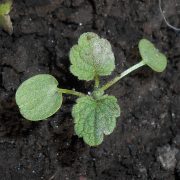
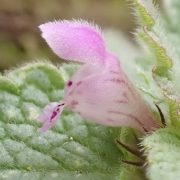
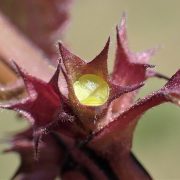
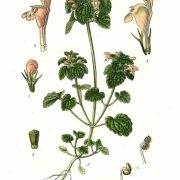
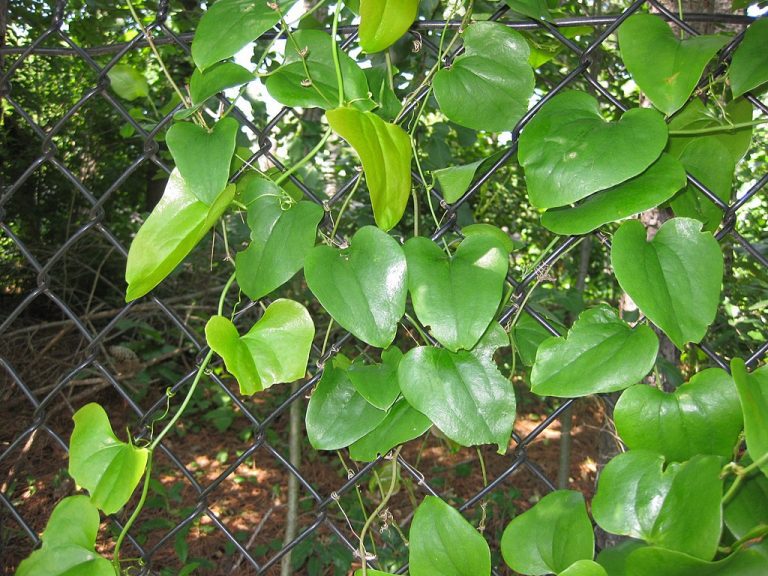
These nearly ubiquitous, often evergreen vines are almost entirely edible outside of their berries. Try their tender tendrils. :wink:
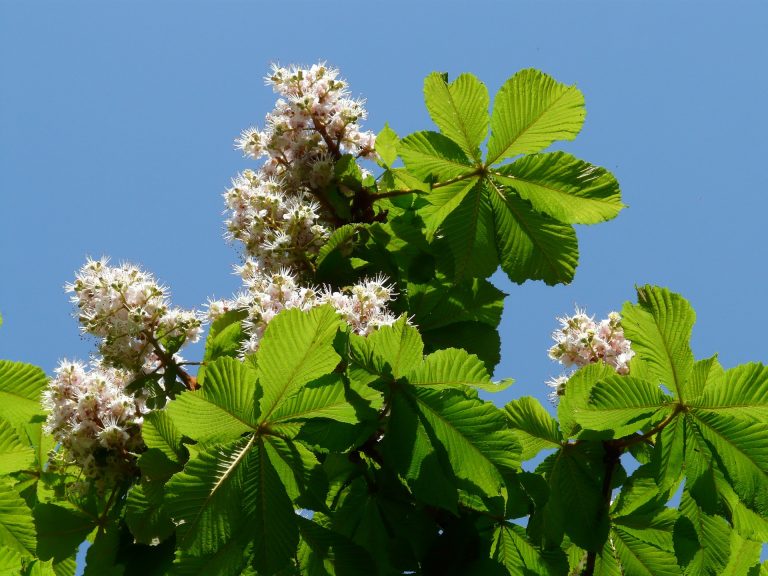
This tree has large, opposite, palmately compound leaves and pyramids of flowers around May. It is often planted in parks and along city ...
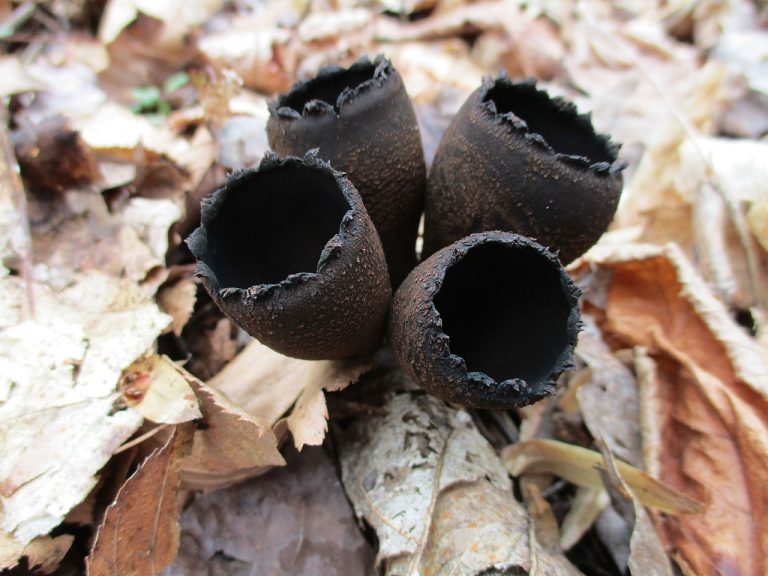
This dark-colored cup fungus grows in small clumps on hardwood, starting out nearly closed and tender enough to be eaten, and maturing into a ...
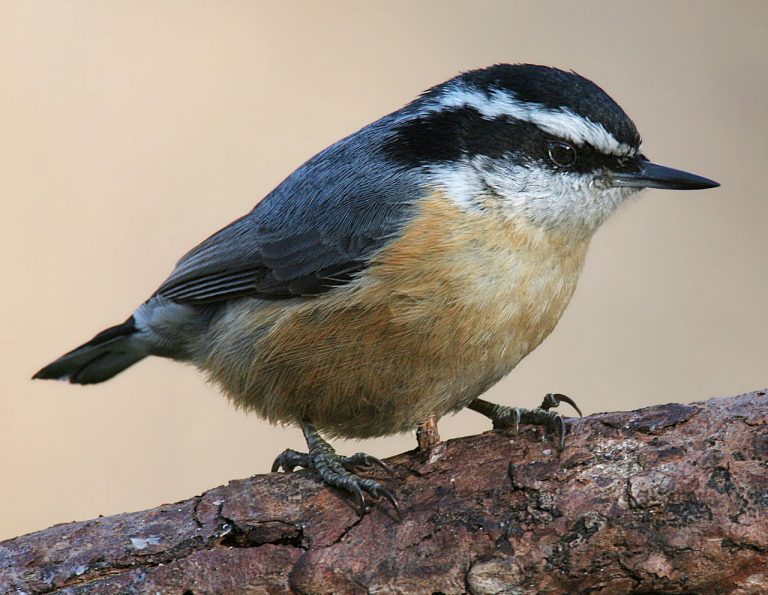
One of the few species to walk face-first down tree trunks, this little bird also has a distinct black stripe through its eye.
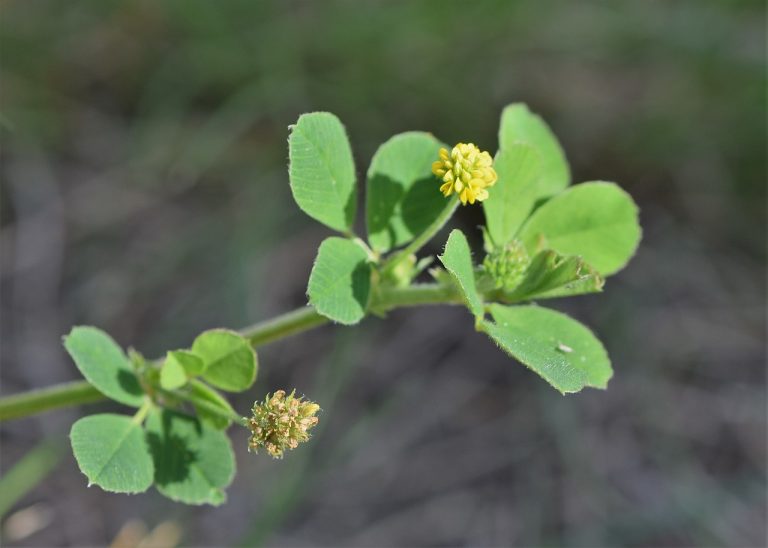
A low-growing "trefoil" weed of lawns and disturbed, nitrogen-poor soil, distinguished by its tiny hop-like yellow flower clusters, pointed tips on each leaflet, and ...
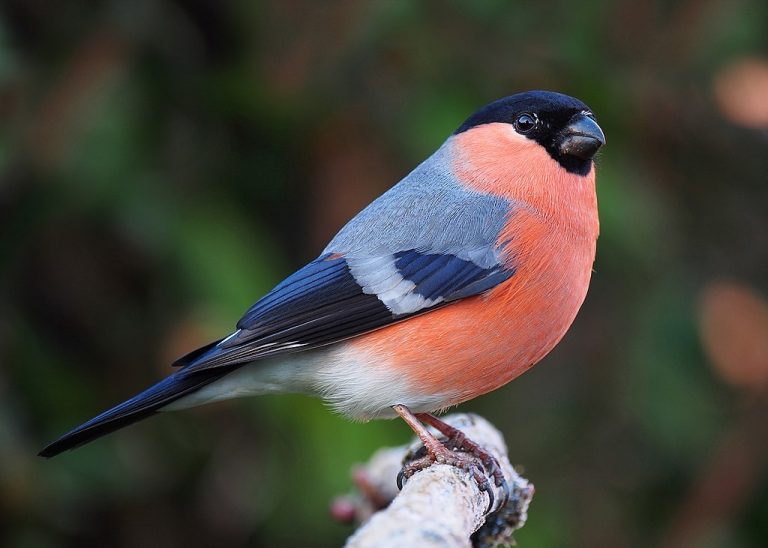
This brightly colored, chunky bird is not found in America but frequents gardens and backyards in the UK and throughout much of Europe.
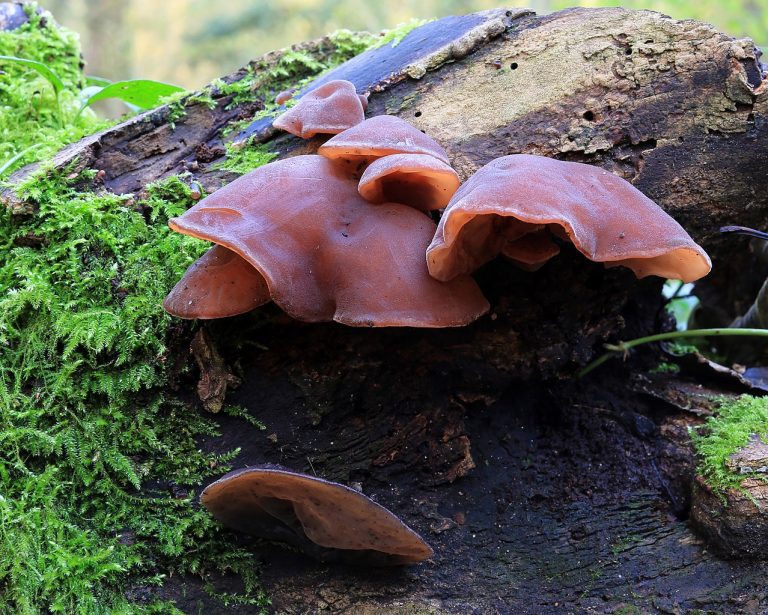
This velvety rootbeer-colored, moist-looking, rubbery-textured, somewhat cup-shaped edible fungus grows on trees and downed logs
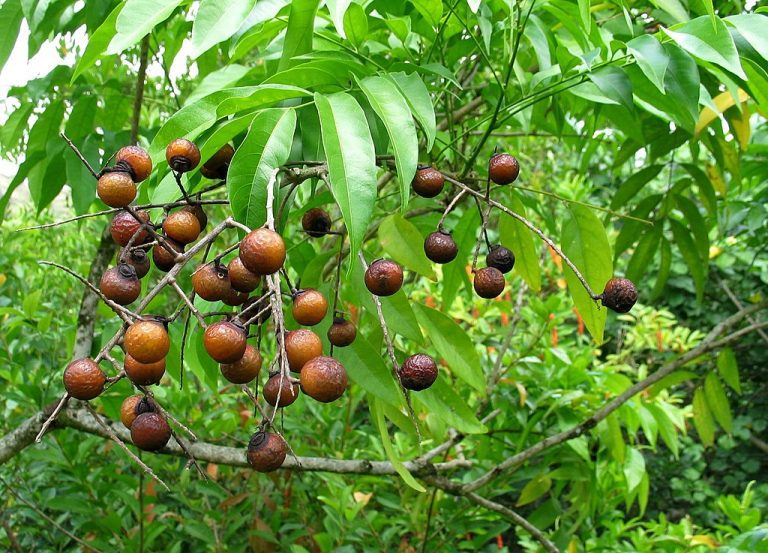
This genus contains about a dozen species of shrubs and small trees, each with fruits that can be used to make a lathering ...